Understanding Heated Safety Showers
Heated safety showers are essential fixtures in various industries, providing immediate decontamination in emergencies. They are particularly crucial in sectors where employees are exposed to hazardous materials, ensuring that they can quickly rinse off harmful substances. Not only do these showers serve a vital safety function, but they also enhance compliance with workplace regulations concerning employee safety. When exploring options, beheizte Notdusche für Außenbereiche provides comprehensive insights into the types available and their specific features.
What is a Heated Safety Shower?
A heated safety shower is designed to provide a continuous flow of warm water in emergency situations, ensuring that individuals can effectively wash away hazardous chemicals from their bodies. These showers are not just functional; they are engineered to meet strict safety standards set by organizations like ANSI and OSHA. By maintaining a consistent water temperature, heated safety showers help prevent thermal shock, which can occur with sudden exposure to cold water.
Key Features of Outdoor Heated Safety Showers
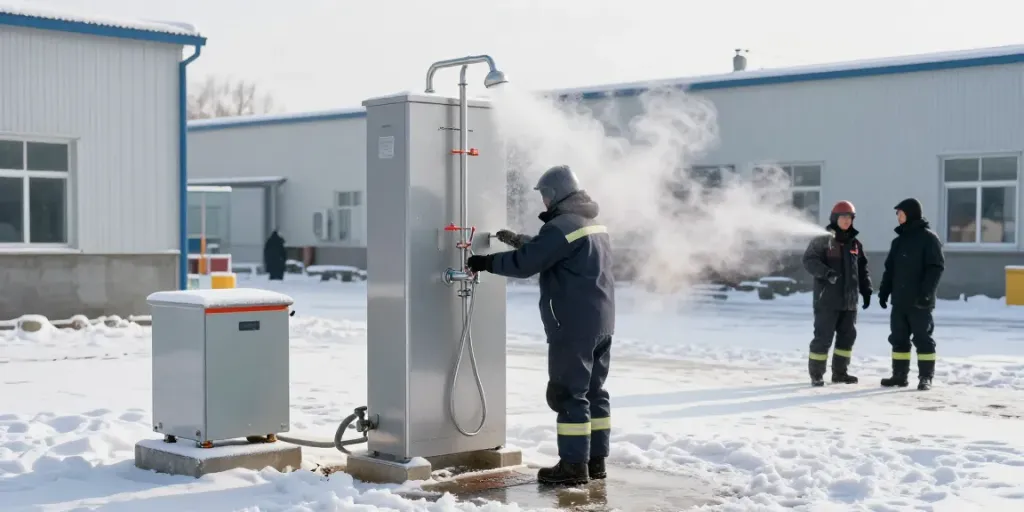
- Frost Protection: Outdoor heated safety showers often include insulation and heating elements to prevent freezing in cold climates, ensuring functionality year-round.
- Durable Materials: These showers are frequently constructed from rust-resistant materials like stainless steel, making them suitable for various environmental conditions.
- Accessibility: Many models are designed to be freestanding or wall-mounted, with clear signage for easy identification in emergencies.
- Integrated Eyewash Stations: Many heated safety showers come with built-in eyewash stations, allowing for immediate flushing of the eyes if contaminated.
- Compliance Features: They are equipped to comply with relevant safety standards, including alarm systems and automatic start mechanisms for quick response.
Importance of Compliance with Safety Standards
Compliance with safety standards is not merely a regulatory requisite; it is essential for safeguarding employees. Facilities that fail to meet these standards risk not only legal repercussions but also endanger their workforce. Regular inspection and maintenance of heated safety showers ensure continued compliance with ANSI Z358.1 and EN standards, safeguarding user welfare in case of emergencies.
Benefits of Heated Safety Showers
Enhanced Safety in Cold Environments
In colder climates, the risk associated with using unheated water for decontamination can be severe. Heated safety showers mitigate this risk by offering water at a safe and comfortable temperature, essential for effective decontamination without causing further injury. This capability is particularly valuable in outdoor settings where temperatures can drop significantly.
Efficiency and Accessibility for Workers
Heated safety showers streamline the decontamination process, allowing workers to quickly and effectively address chemical exposure. They are designed for rapid activation, often featuring pull-down or push-button activation systems that ensure immediate access in emergencies. Their accessibility is crucial in fast-paced environments where every second counts.
Long-Term Cost Savings and Investment
Investing in heated safety showers can lead to long-term cost savings through the reduction of workplace injuries, which can result in significant financial liabilities. By prioritizing employee safety, companies can lower insurance premiums and minimize the potential costs associated with lost productivity and employee downtime.
Choosing the Right Model
Factors to Consider in Selection
When selecting a heated safety shower, several factors should be considered:
- Location: Assess whether the shower will be used indoors or outdoors, as this affects design and insulation needs.
- Water Temperature Management: Determine the required temperature range and whether additional temperature controls are needed.
- Space Availability: Evaluate the installation space to choose between freestanding or wall-mounted options.
- Environmental Conditions: Consider the surrounding environment, including temperature extremes, to ensure the shower's reliability.
Customization Options for Specific Needs
Many manufacturers offer customization options to tailor heated safety showers for unique operational requirements. This can include adjustments in size, water capacity, and the inclusion of additional features such as sound alarms or specialized nozzles designed for specific chemical hazards.
Comparison of Leading Brands and Models
When comparing brands, it's essential to review technical specifications, user reviews, and compliance certifications. Leading brands often provide additional resources, such as installation guides and warranty information, that can help in making a well-informed decision.
Maintenance and Compliance
Best Practices for Regular Maintenance
Regular maintenance is crucial to ensure that heated safety showers remain operational. Best practices include:
- Conducting routine inspections to check for functionality and signs of wear.
- Flushing the shower periodically to ensure water flow and prevent sediment buildup.
- Testing the temperature settings and safety features to ensure compliance with industry standards.
Understanding Regulatory Compliance
Familiarize yourself with regulations that pertain to safety showers in your region. Compliance with standards such as ANSI Z358.1 dictates not only design specifications but also maintenance requirements. Understanding these regulations can avert legal issues and improve workplace safety.
When to Schedule Professional Inspections
Scheduling professional inspections should occur at least annually, or biannually depending on usage frequency and environmental conditions. These inspections will help you identify potential defects before they pose a risk to employees, ensuring that safety measures remain effective.
Future Trends in Safety Showers
Innovation in Design and Technology
The evolution of safety showers has seen significant technological advancements, including the integration of smart sensors that monitor water temperature and flow. Some newer models are being designed with sustainability in mind, utilizing water recycling systems to minimize waste.
Adaptations for Extreme Weather Conditions
As environmental conditions become more variable, safety showers will need to adapt. Manufacturers are working on enhanced insulation, durable exterior coatings, and climate-responsive features to ensure that heated safety showers remain functional in extreme weather conditions.
Anticipated Developments for 2026 and Beyond
Looking ahead, we can expect increased emphasis on user ergonomics and the development of showers with enhanced accessibility features for individuals with disabilities. Coupled with advancements in IoT, future safety showers may include remote monitoring capabilities that alert maintenance personnel to issues before they compromise safety.
What regulations must safety showers comply with?
Safety showers must adhere to ANSI Z358.1 and other relevant safety standards that dictate design, installation, and maintenance protocols.
How often should heated safety showers be inspected?
Heated safety showers should undergo professional inspections at least once a year, or more frequently based on usage and environmental conditions.
Are there customizable options for heated safety showers?
Yes, many manufacturers provide customization options to meet specific operational needs, including size adjustments and additional safety features.
What are the best practices for maintaining heated safety showers?
Regular inspection, flushing, and testing temperature settings are critical maintenance practices to ensure operational efficiency and compliance with safety standards.
How can companies ensure proper installation and user training?
Companies should engage qualified professionals for installation and conduct thorough training sessions for employees to familiarize them with the proper use of heated safety showers.